30 Days Without Social Media: What Actually Happens to Your Brain
Thousands of people have done it. The results are more profound, and stranger, than you'd expect. Here's the science and the honest experience of a full month offline.

Admin
Author
✨ You might also like
Digital Detox: 30-Day Reset Program
A structured 30-day program to reclaim your attention, rebuild focus, and create a healthier relationship with technology.
Digital Nomad Starter Toolkit
Everything you need to launch your location-independent life: visa guides, income tracker, city databases, and a 90-day action plan.
😬 Day One Is the Worst
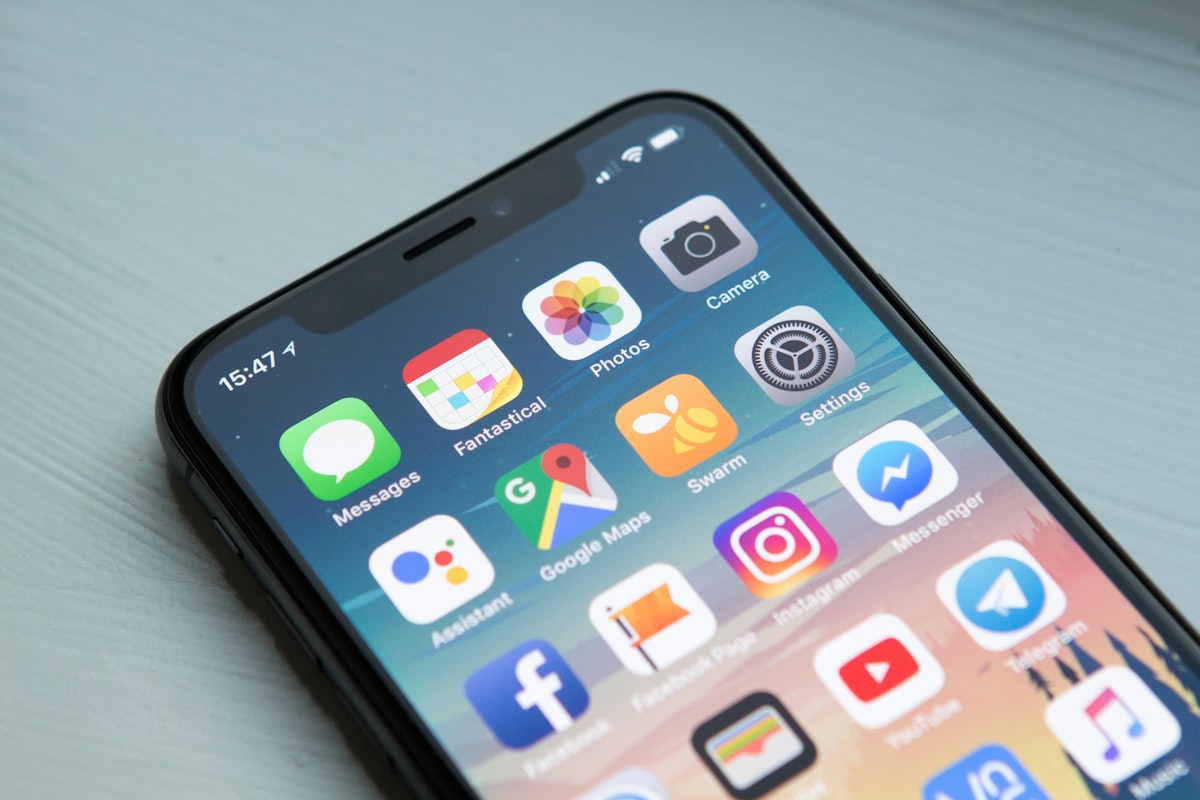
Hour two. You pick up your phone out of habit, thumb already moving toward the Instagram icon before your conscious mind has noticed what's happening. You open the app. Then close it. Then open it again.
This is the first thing people notice in a digital detox: how automatic the behaviour is. You're not choosing to check social media. Your brain is choosing, and you're along for the ride.
This matters more than it sounds.
🔬 The Neurological Reality
Social media platforms are deliberately engineered around the brain's dopamine system, specifically, intermittent variable reward, the same mechanism that makes gambling addictive.
You don't know if the next scroll will bring something interesting or something dull. That unpredictability, not the reward itself, is what drives compulsive checking behaviour. Dopamine is released not just when you receive a reward, but in anticipation of a possible reward.
Over time, this trains your brain to crave the stimulation and find normal, undistracted reality boring and uncomfortable. Reading a book, sitting in silence, having a conversation without checking your phone, these activities feel more effortful than they used to. Because they are. Your baseline for stimulation has shifted.
📊 What the Research Says
A 2018 University of Pennsylvania study assigned participants to limit Facebook, Instagram, and Snapchat to 10 minutes each per day. After three weeks, participants showed significant reductions in loneliness and depression compared to controls who used social media normally.
A 2019 study found that a week-long break from Facebook reduced cortisol levels (a primary stress hormone) measurably.
Most consistently across studies: reduced social media use correlates with better sleep, more time in flow states, reduced anxiety, and, paradoxically, better real-world social connection.
📅 The Week-by-Week Experience
| Week | Phase | What Actually Happens |
|---|---|---|
| Week 1 😤 | Withdrawal | Brain craves its usual stimulation hits. Low-level agitation. The gaps that used to be filled with scrolling feel uncomfortably empty. The phantom phone reach happens dozens of times. |
| Week 2 😌 | The boredom passes | The fidgeting settles. You start to inhabit time differently, not as something to be filled, but something to be in. First wave of unexpected calm arrives. |
| Week 3 🧠 | Cognitive recovery | Focus gets easier. Reading sessions get longer and deeper. Creative thinking returns, the shower thoughts, the walk-generated ideas. These require mental space a colonised attention can't produce. |
| Week 4 🎯 | Clarity | The most significant shift, not just in how you feel, but in what you want. Ambient dissatisfaction fades. Personal desires and values become more audible. |
⚠️ The Hard Part Nobody Warns You About
The difficulty of a digital detox isn't the absence of entertainment. It's the exposure of everything you were using entertainment to avoid.
Without the constant option to escape into your phone, whatever you were escaping from becomes present: boredom with your job, tension in a relationship, anxiety about the future, grief that hasn't been processed.
This is actually the point. Avoidance doesn't resolve underlying discomfort, it preserves and often amplifies it. The detox forces a confrontation that, while uncomfortable, is usually productive.
If you want a structured approach to this, daily actions, screen time tracking, replacement habit guides, and weekly check-in prompts, the Digital Detox: 30-Day Reset Program covers the full month systematically. It's less about willpower and more about having a day-by-day plan so you're never just trying to resist an urge without something to do instead.
🔄 Replacing, Not Just Removing
The most common mistake in digital detoxes: treating it as pure subtraction. Remove social media. Sit with the emptiness. Try not to go back.
This almost never works long-term.
The brain needs a destination, not just a departure. For every slot social media occupied, you need something to fill it:
- Morning scroll → 10 minutes journaling or stretching
- Evening feed → book, conversation, or a walk
- Lunch break check → genuine rest (walk, stare out a window, eat without a screen)
The goal isn't to become an ascetic. It's to be intentional about where your attention goes, to consciously choose what gets your time rather than letting an algorithm choose for you.
🎉 After 30 Days: What Then?
Most people who complete a full month don't return to their previous usage levels. Not because they've sworn off social media forever, but because they've broken the unconscious automation. They now notice when they're reaching for their phone out of habit rather than intention.
That noticing is everything. The pause between impulse and action is where your agency lives.
Even two seconds of awareness, "do I actually want to do this right now?", changes your relationship with your phone from one of compulsion to one of choice.
That's the real goal. Not absence. Intentionality.
Admin
Digital nomad, writer, and culture enthusiast. Based everywhere.